

The Detroit Observatory
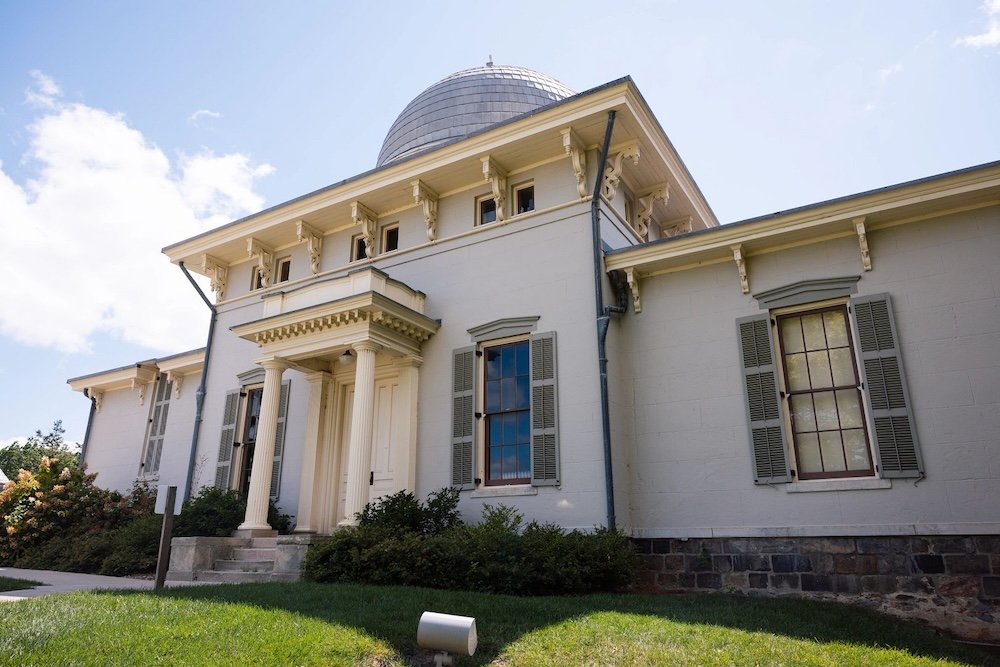
The historic Judy and Stanley Frankel Detroit Observatory (circa 1854) is open at various times as a museum, hosts a monthly lecture series, and also serves as a scholarly center for the study of 19th century science, technology, and culture. The structure is listed in the National Register of Historic Places.
Kelsey Museum of Archaeology
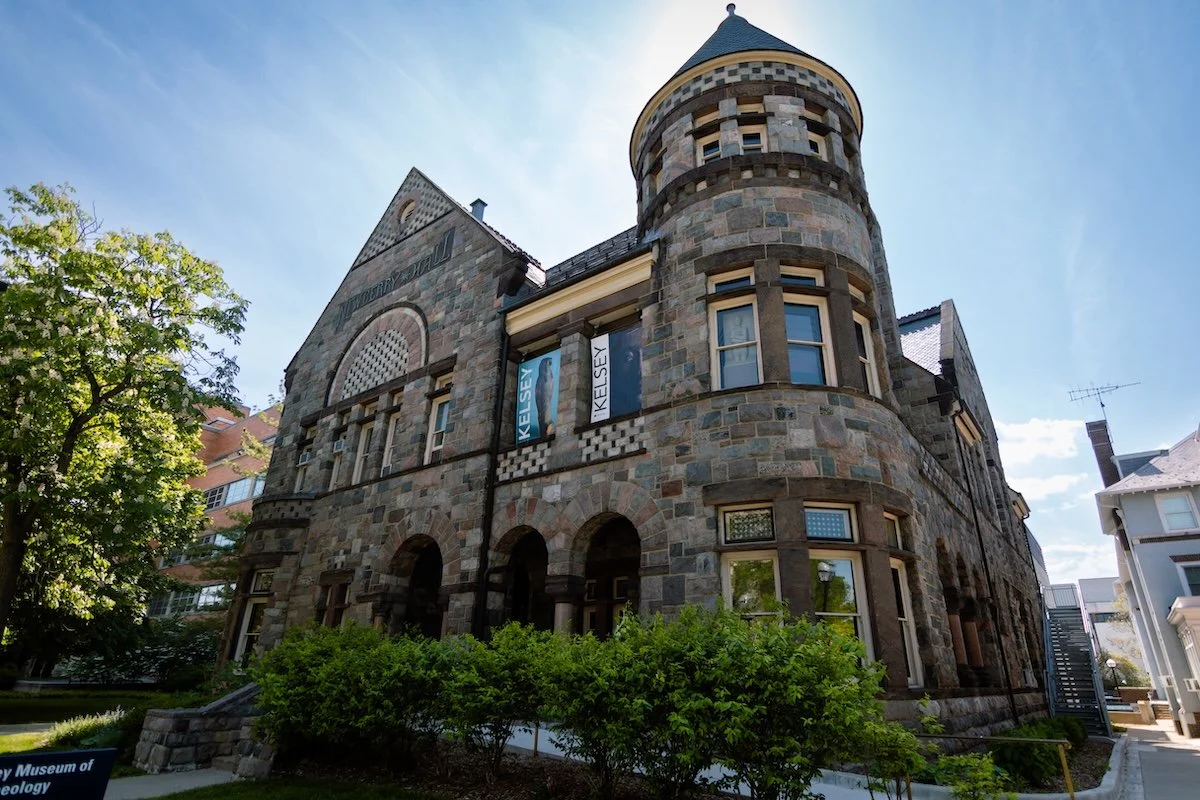
Home of the Interdepartmental Program in Classical Art and Archaeology, the Kelsey Museum houses two more than 100,000 artifacts, displaying ~1,500 across 2 exhibit galleries, one for Greek and Roman material, another for Near Eastern.
Hours
Tuesday–Friday: 10 a.m.–4 p.m.
Saturday–Sunday: 11 a.m.–4 p.m.
Museum of Natural History
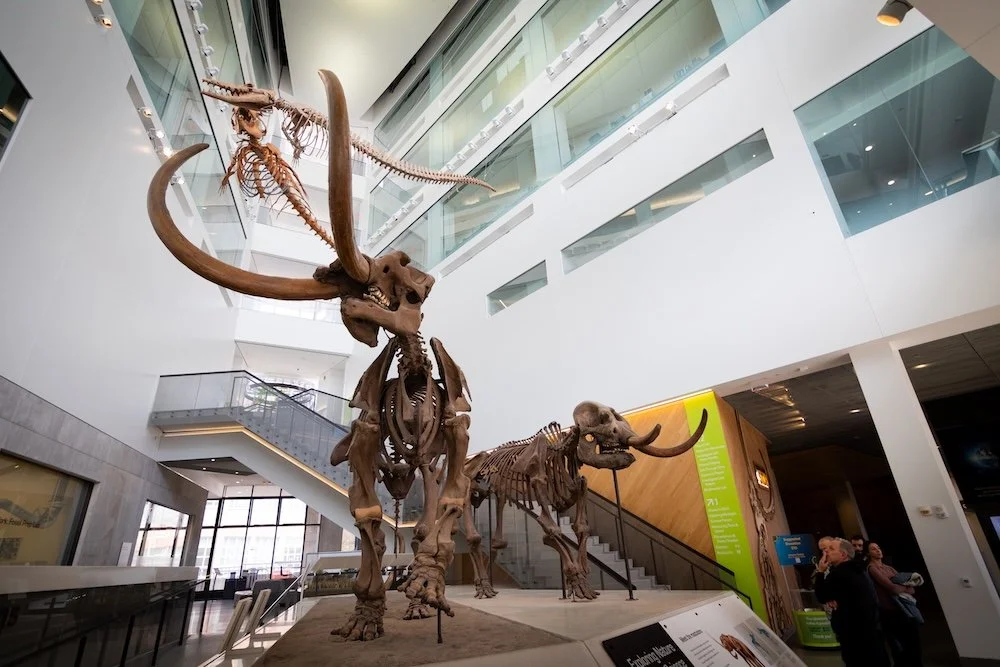
This museum is home to a vast array of specimens and artifacts related to paleontology, anthropology, zoology, geology, and botany. The museum includes a Hall of Evolution, Hall of Natural Sciences, Hall of Anthropology, and a planetarium (with weekend shows).
Hours
Tuesday–Sunday: 10 a.m.–4 p.m.
Admission is free.
Sindecuse Museum of Dentistry
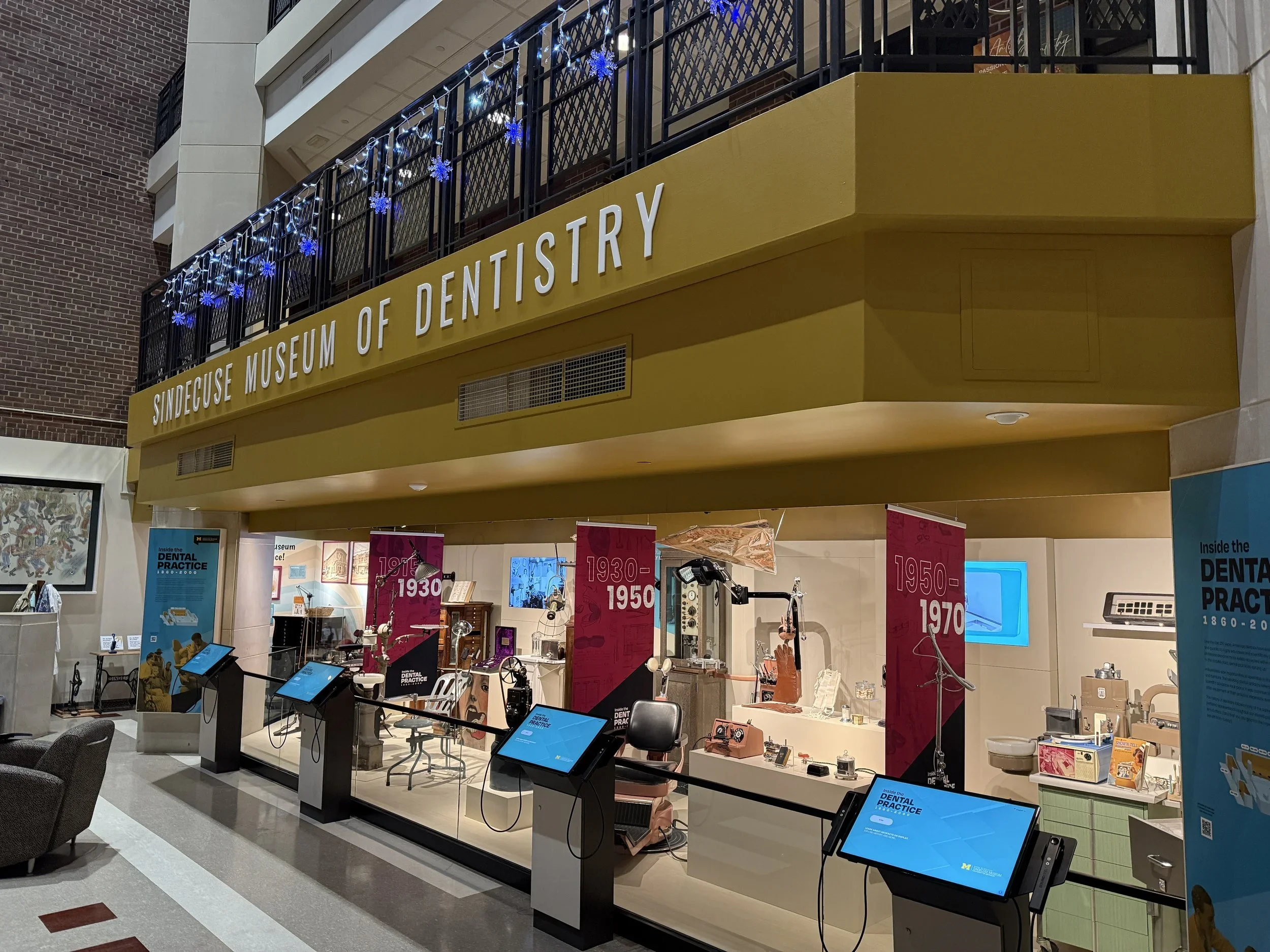
The Gordon H. Sindecuse Museum of Dentistry collects, preserves, and exhibits dental artifacts representing stages in the development of dental technology, beginning with the pre-electric period. Research interests are served by the collections and their historic documentation.
Hours
Monday–Friday: 8 a.m.–5 p.m.
Admission is free.
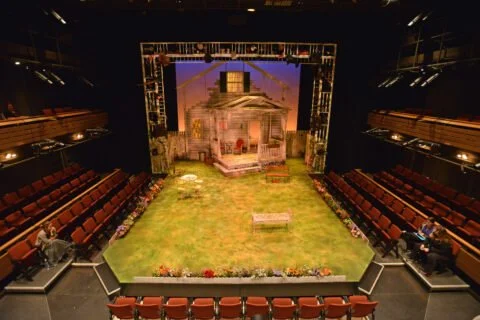
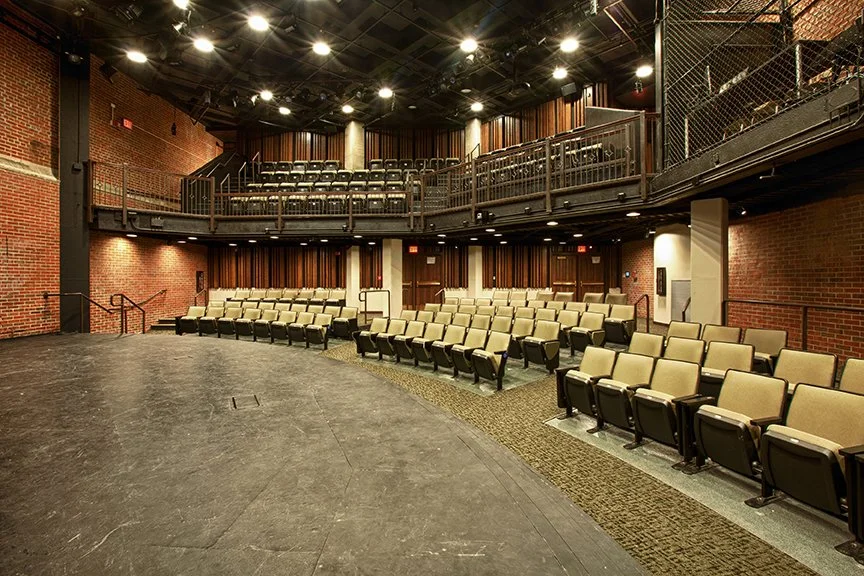
Arthur Miller Theatre
A highly flexible courtyard-format theatre, it can be configured as a proscenium stage or a wide thrust stage with seating on three sides.
Named after the esteemed playwright and U-M alumnus, it is the most public component of the Charles R. Walgreen, Jr. Drama Center.
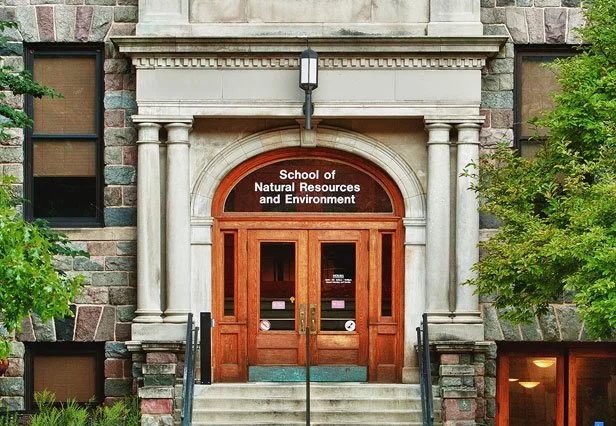
Art & Environment Gallery
Sponsored by SEAS, showcasing work that bridges art and science with an environmental focus. Open to the public during building hours. Created and run by faculty artist-scientist Sandra Adlerstein.
Open during building hours, Monday–Friday.
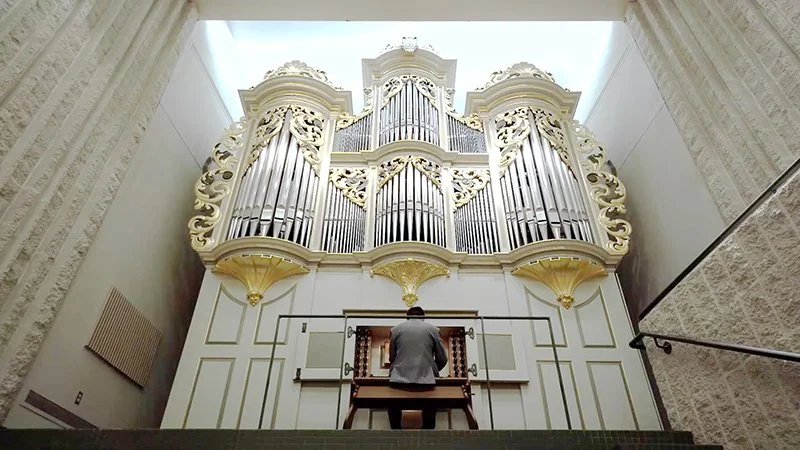
Blanche Anderson Moore Organ Recital Hall
Houses a C.B. Fisk organ modeled after the instruments favored by J.S. Bach, named for one of the most celebrated organ professors in American history, Marilyn Mason, who taught at U-M for over 60 years.
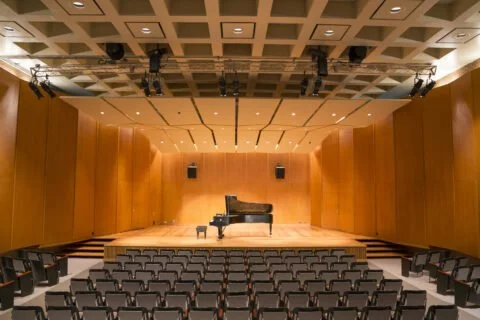
Britton Recital Hall
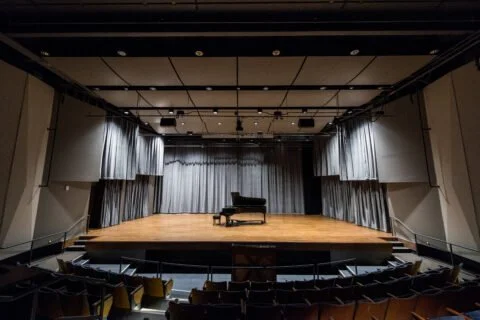
One of the most intimate concert spaces on North Campus, it's been the launching pad for countless student debut recitals — the place where many future professional musicians perform for the first time.
Named for former SMTD Dean Allen P. Britton.
Dance Performance Studio Theatre
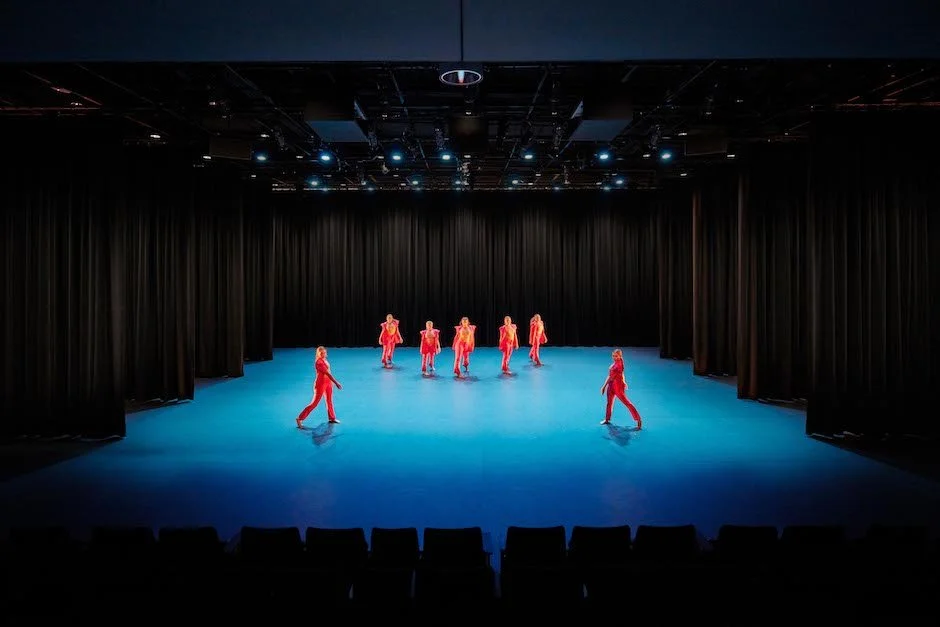
Largest studio in the Dance Building, with steeply raked seating for excellent sightlines, performance lighting, projection, and theatrical grid.
Primary performance and filming space for U-M's dance program.
Duderstadt Center Video Studio
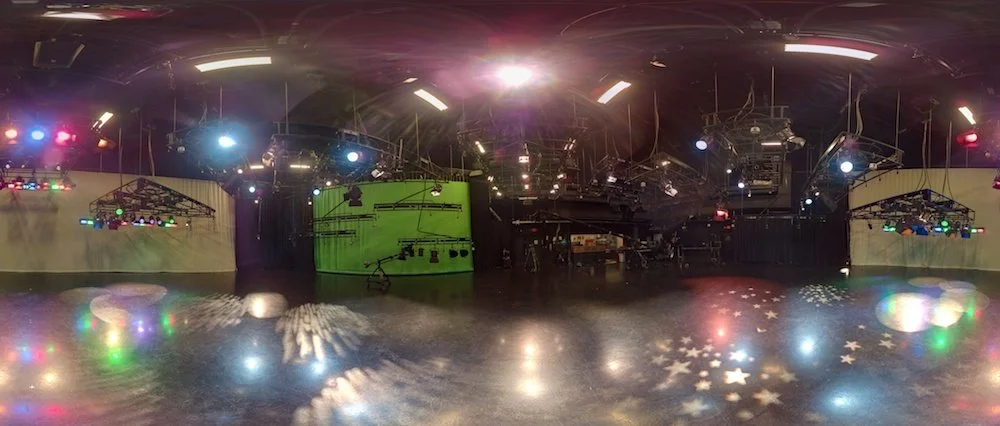
One of the largest broadcast-quality production studios on any university campus in the country. Open to U-M faculty, students, visiting educators, researchers, and artists.
By proposal/appointment; U-M community and invited guests only.
Duderstadt Gallery
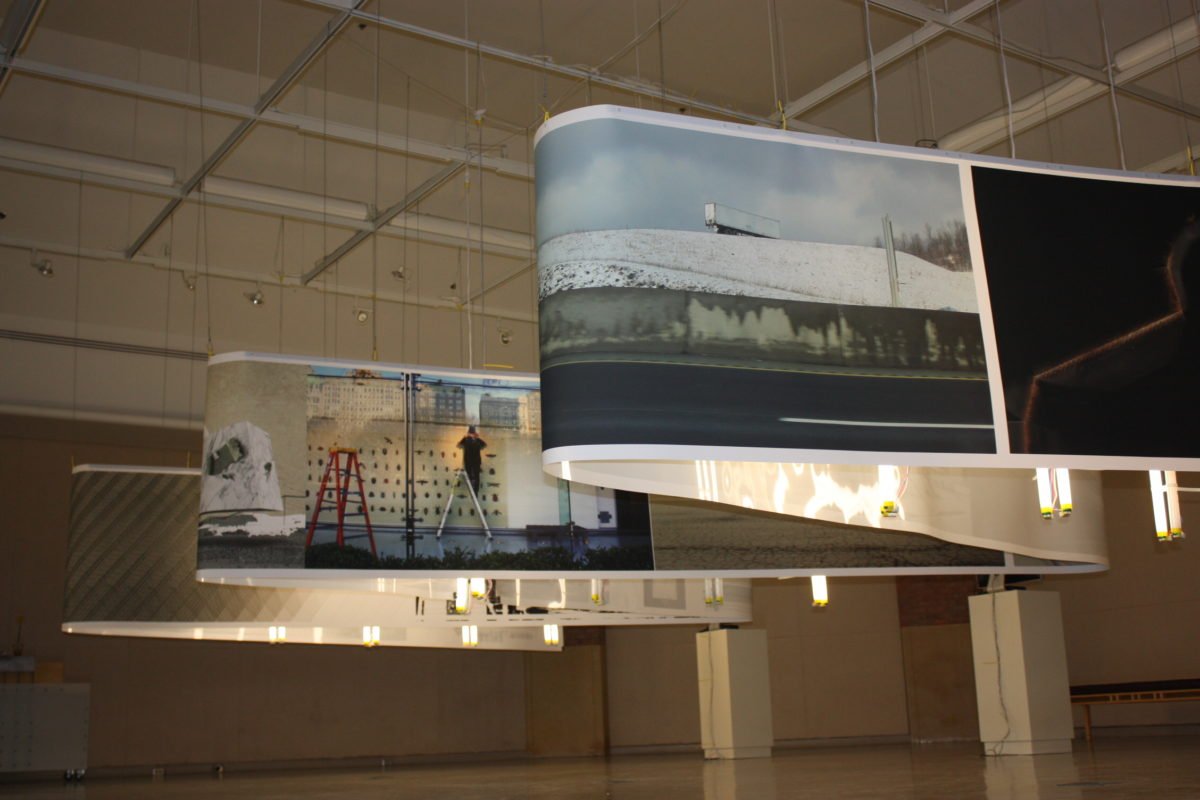
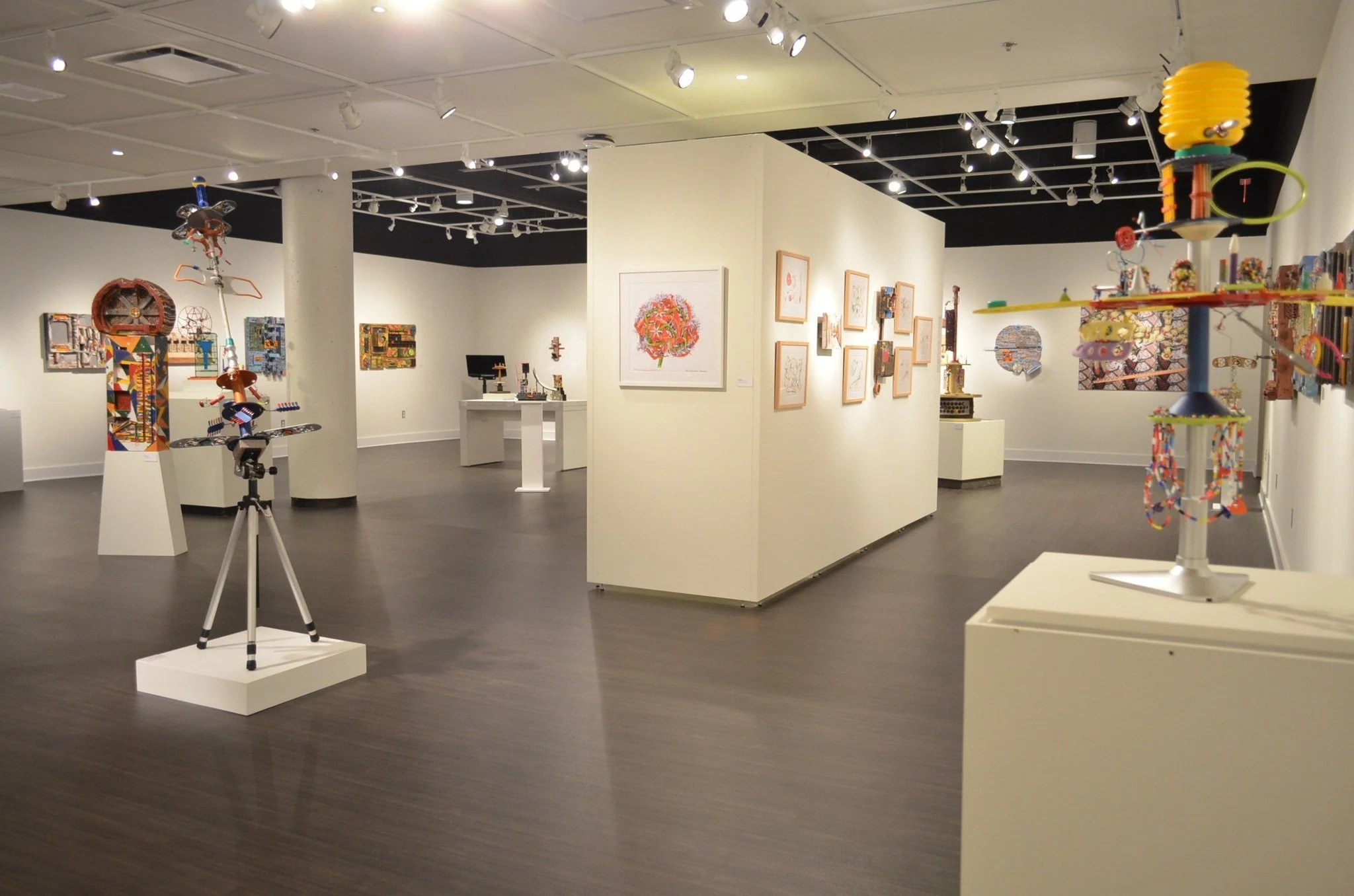
Uniquely positioned at the intersection of art and technology, this gallery features works by U-M students, faculty, and staff in media ranging from traditional to cutting-edge, including computer-based interactive displays.
Closed in summer through mid-August.
Gallery Hours
Tuesday–Friday & Sunday: noon–6 p.m.
GalleryDAAS
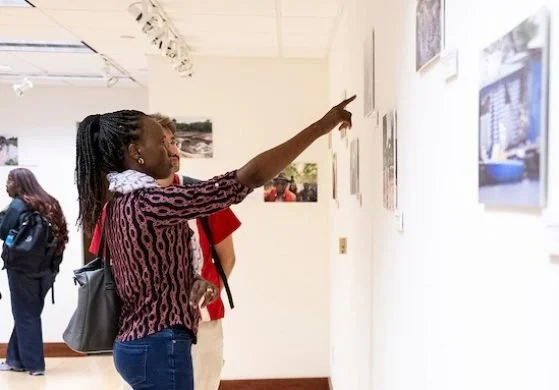
Operated by U-M's Department of Afroamerican and African Studies, it has a focused mission of supporting artists whose work connects to the African diaspora.
Approximately two main exhibitions per year. Drop-in visitors welcome.
Gallery Hours
Monday–Friday: 1–5 p.m.
Gifts of Art Galleries
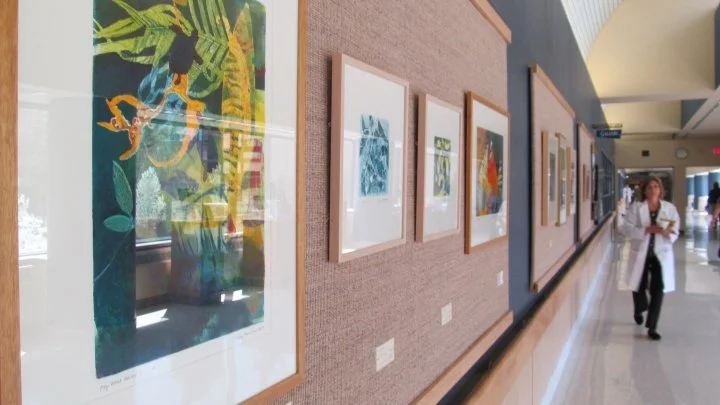
Established in 1986, it is one of the first and most comprehensive arts in medicine programs in the nation — with nine galleries viewed by approximately 10,000 people every single day, making them some of the most-visited indoor exhibition spaces in all of Michigan.
Exhibits rotate quarterly; accessible in-person to those with appointments or approved access, and online to all.
Hatcher Gallery
Located inside one of the finest research library buildings in the country, it offers an unexpected art-viewing experience that's free and open to all.
Open during library hours. Free and open to the public.
Hill Auditorium
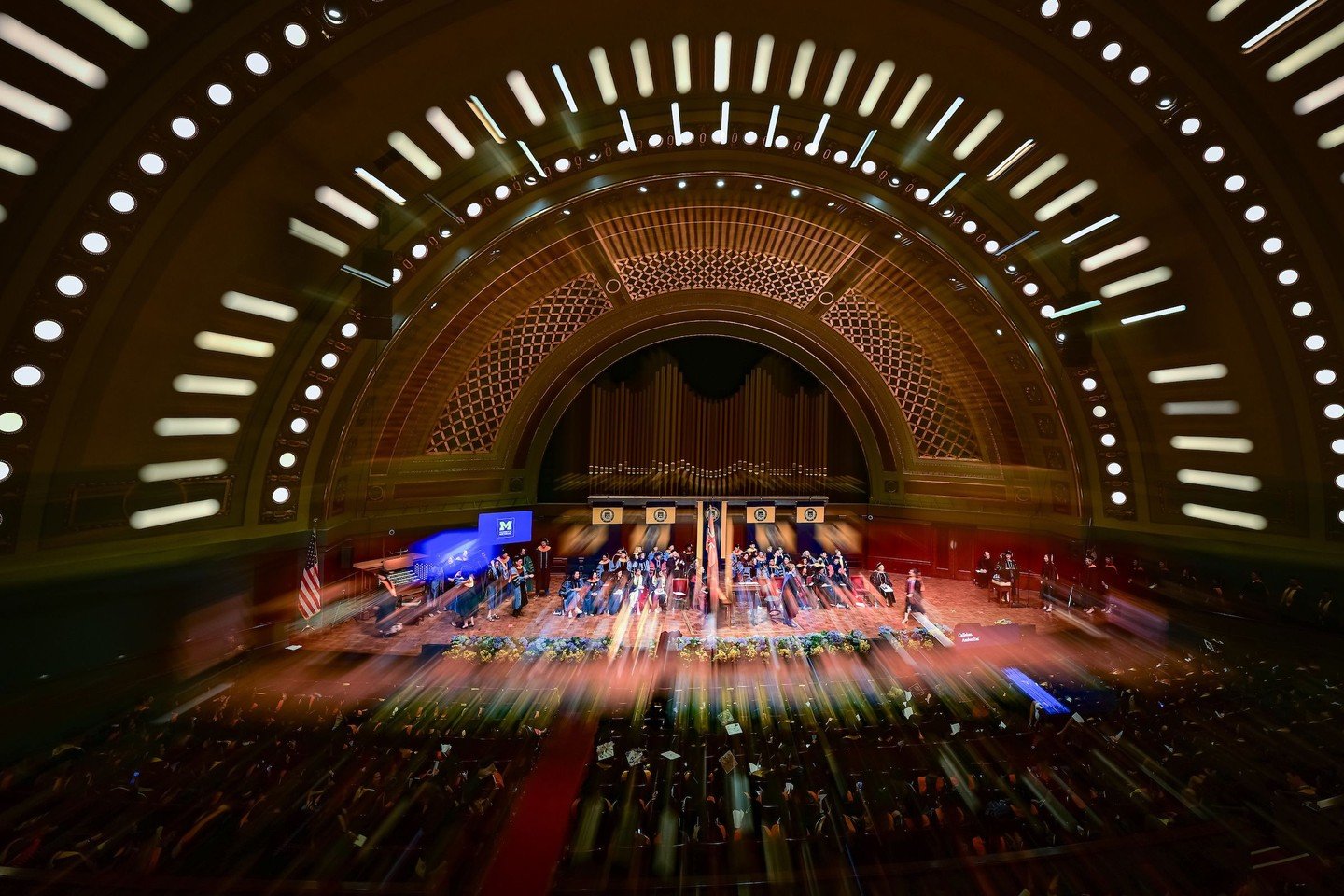
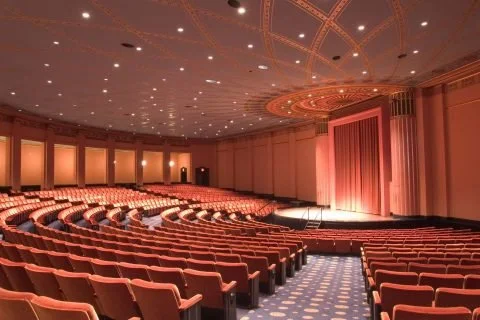
Largest performance space on campus; hosts concerts, lectures, and graduation ceremonies.
This world-renowned concert hall opened in 1913, designed by Albert Kahn with legendary acoustics.
Institute for the Humanities Gallery
Features national, international, and regional artists in all media, with a focus on social justice and humanities engagement.
One of the only university galleries in the country with an artist commissioning fellowship program built in. Free and open to the public.
Gallery Hours
Monday–Friday: 9 a.m.–5 p.m.
Keene Theater
Tucked inside East Quad, this quarter-circle stage hosts RC Drama and Music Programs, student performances, and world-renowned performers via the Center for World Performance Studies.
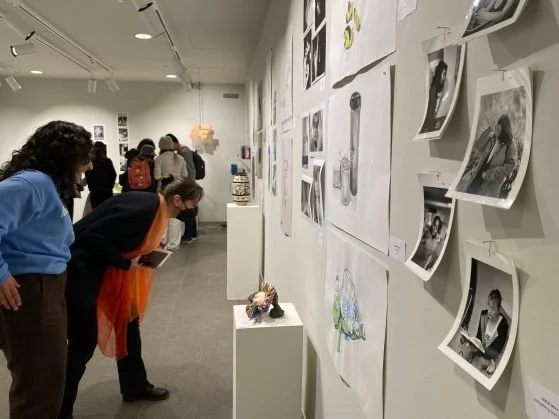
Lane Hall Exhibit Space
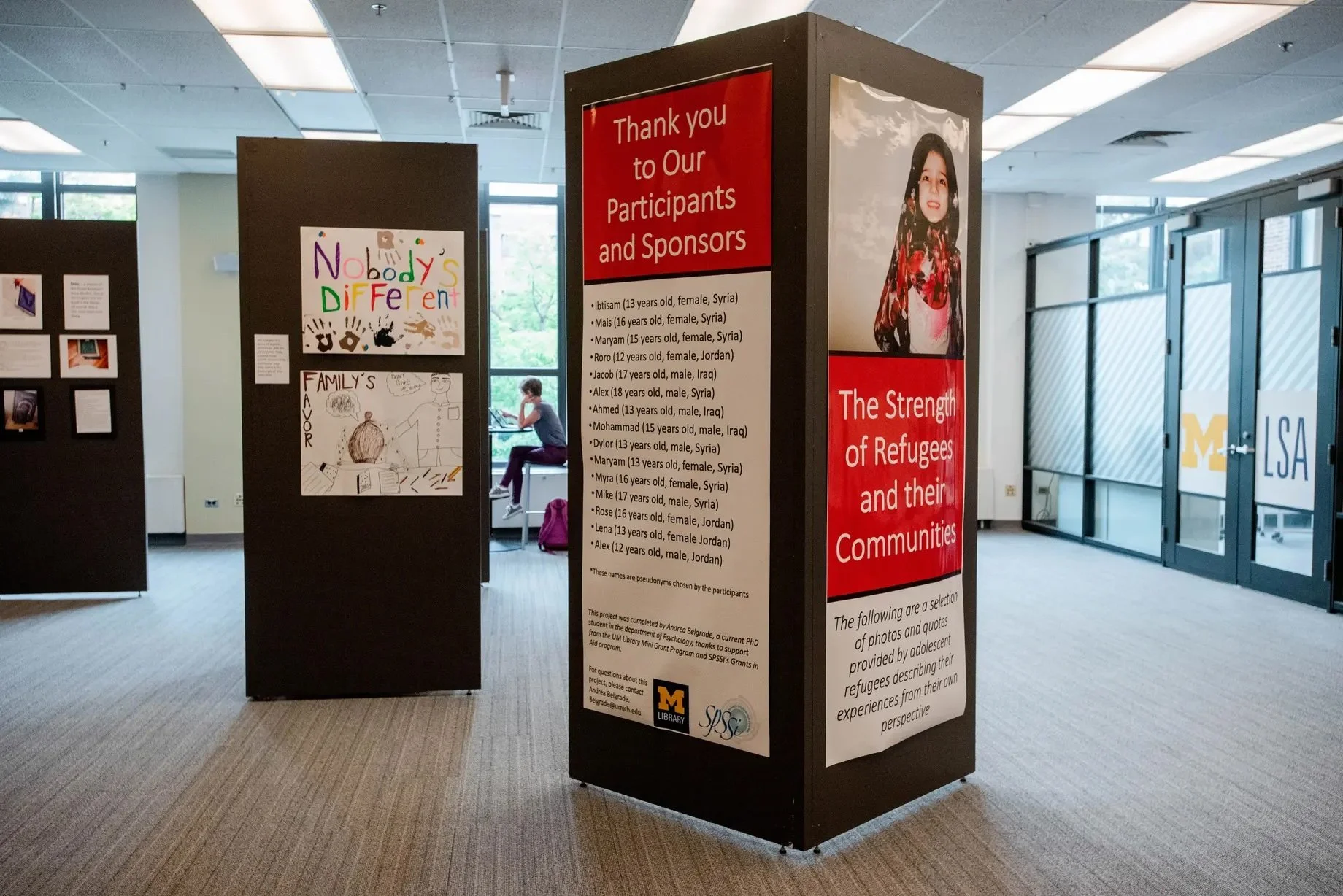
Rotating exhibit space focused on themes of gender and sexuality, sponsored by Women's and Gender Studies and IRWG.
Typically one exhibition per semester. Free and open to the public.
Gallery Hours
Monday–Friday: 9 a.m.–4 p.m.
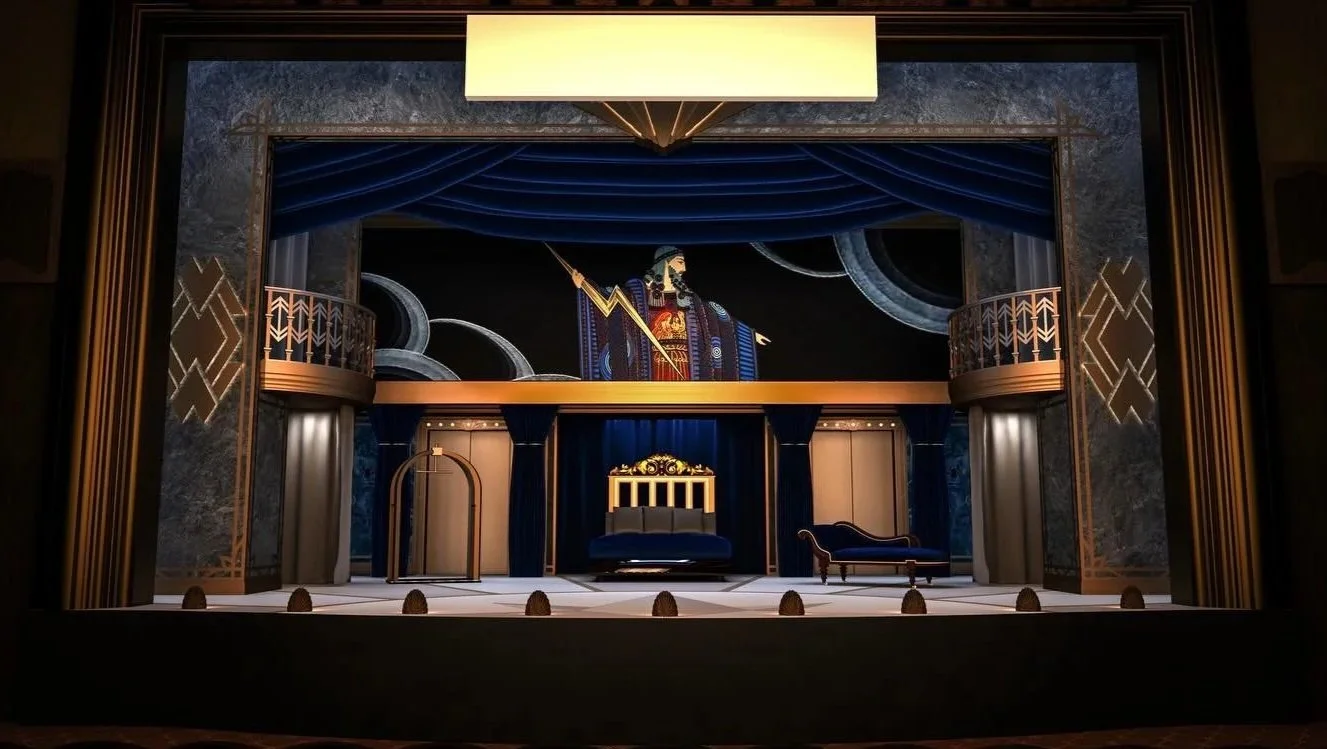
Lydia Mendelssohn Theatre
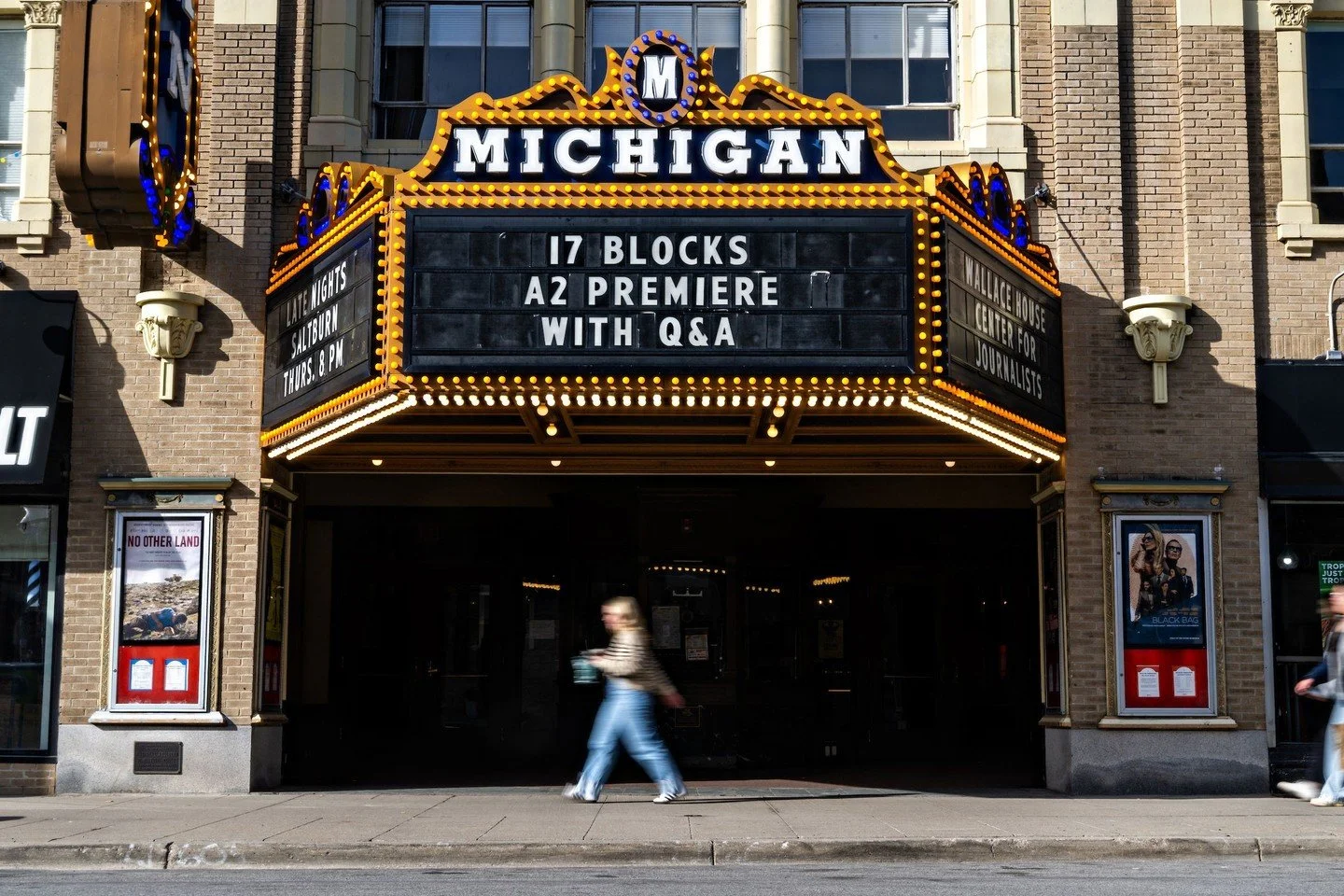
The theater was born out of U-M's women's rights history: it was built inside the Michigan League, the women's answer to the men-only Michigan Union.
One of few U.S. theaters with a cyclorama—a curved rear wall that enhances acoustics and enables creative lighting.
History, Specifications & Rental Info
Video Tour
(photo: @talialevdesign)
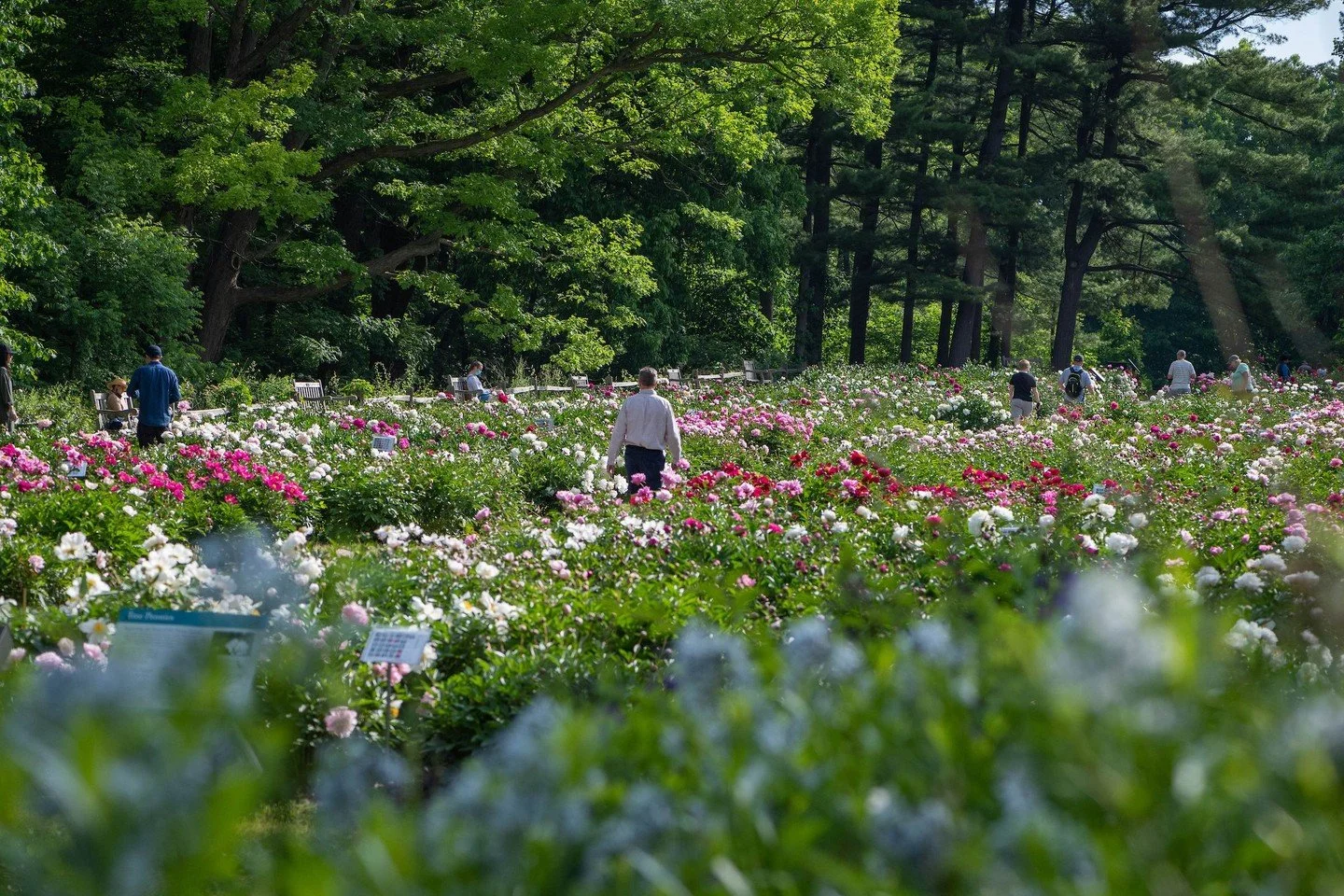
Matthei Botanical Gardens
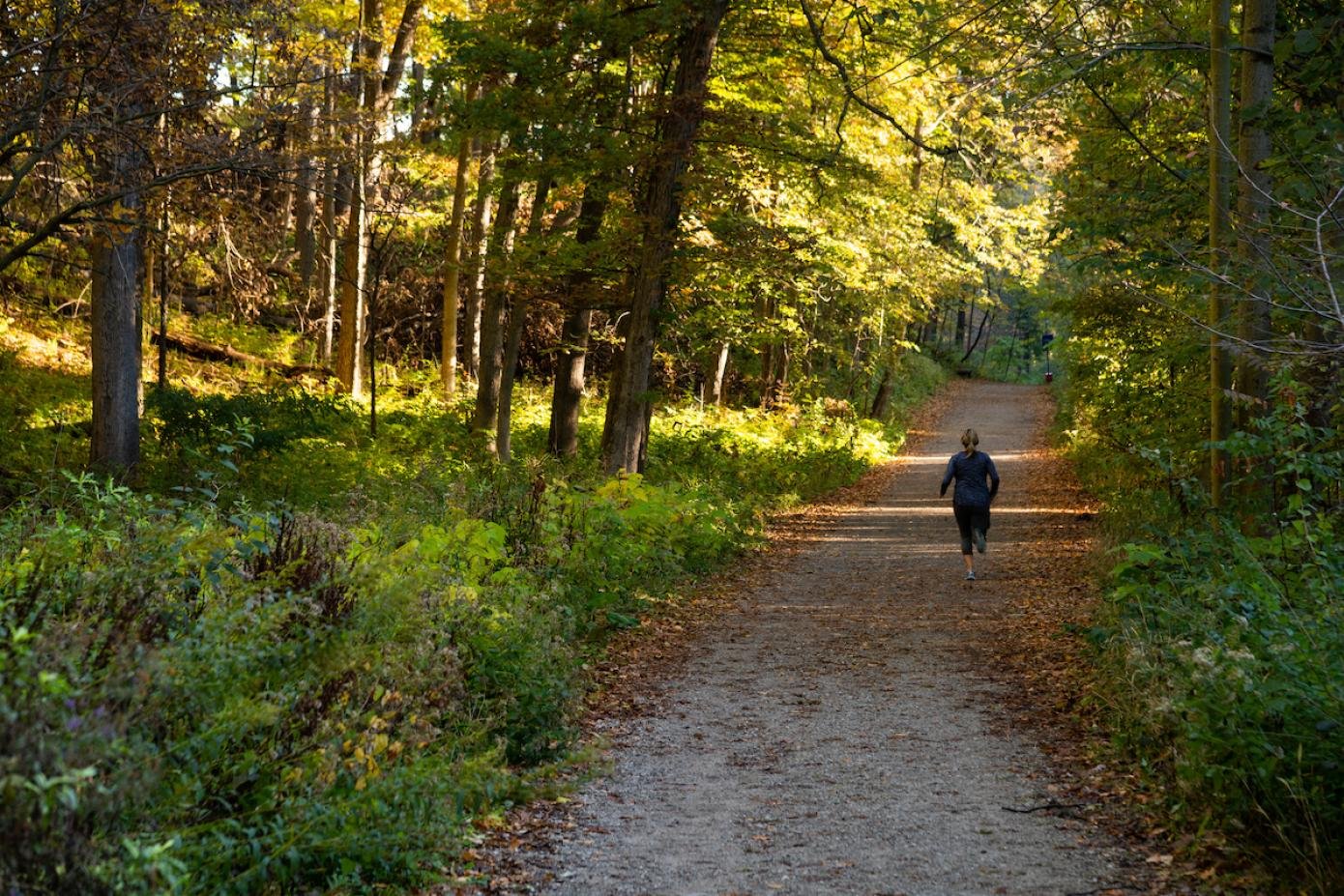
Discover the beauty and science of nature by wandering through eleven outdoor gardens, an indoor conservatory, trails, and natural areas.
Hours
Tuesday–Sunday: 10 a.m.–4:30 p.m.
Wednesday: 10 a.m.–8:30 p.m.