
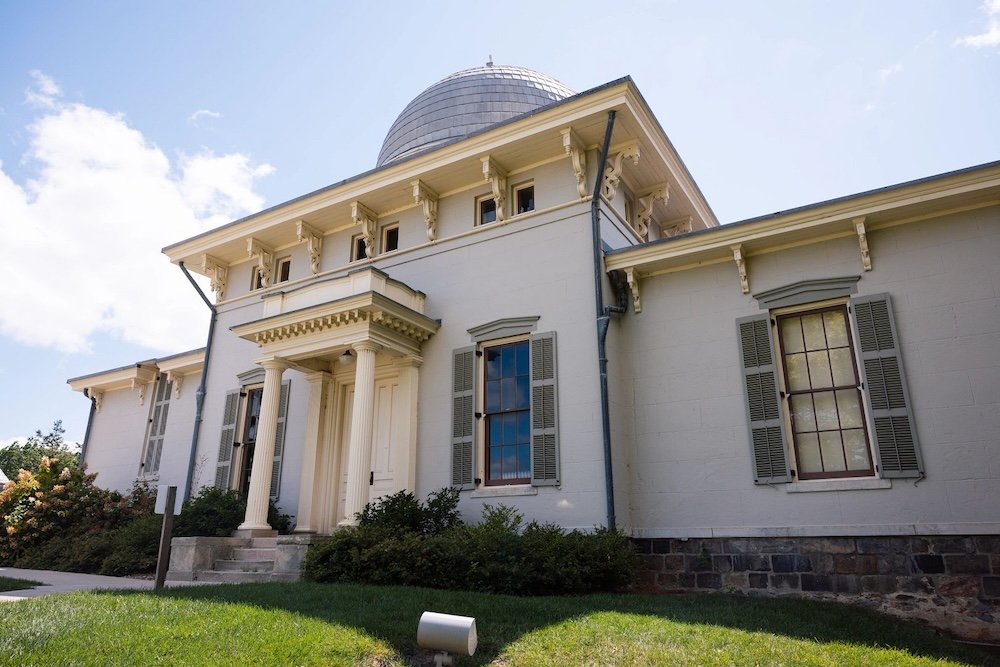


The Detroit Observatory
The historic Judy and Stanley Frankel Detroit Observatory (circa 1854) is open at various times as a museum, hosts a monthly lecture series, and also serves as a scholarly center for the study of 19th century science, technology, and culture. The structure is listed in the National Register of Historic Places.

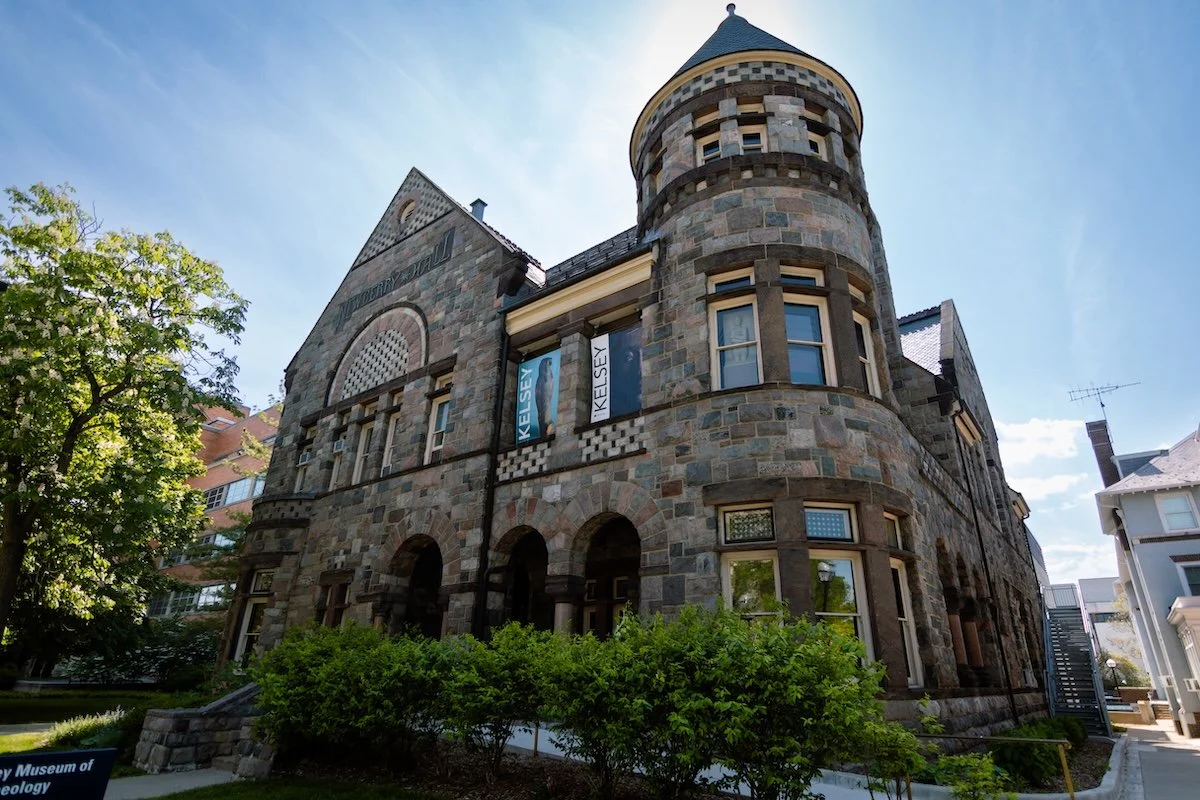
Kelsey Museum of Archaeology
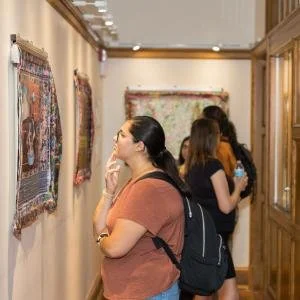
Home of the Interdepartmental Program in Classical Art and Archaeology, the Kelsey Museum houses two more than 100,000 artifacts, displaying ~1,500 across 2 exhibit galleries, one for Greek and Roman material, another for Near Eastern.
Hours
Tuesday–Friday: 10 a.m.–4 p.m.
Saturday–Sunday: 11 a.m.–4 p.m.

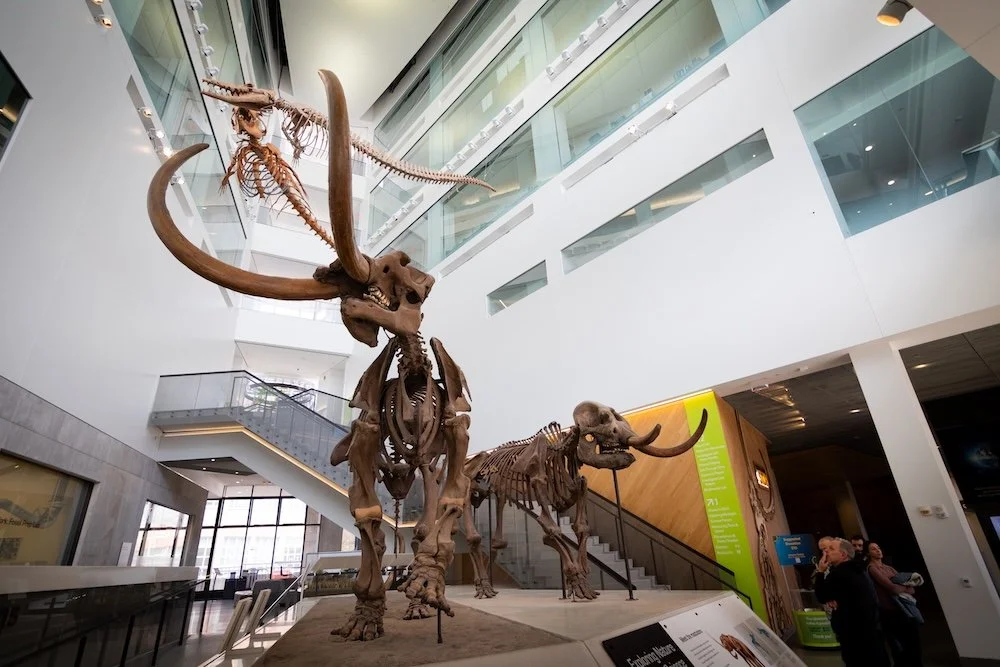
Museum of Natural History
This museum is home to a vast array of specimens and artifacts related to paleontology, anthropology, zoology, geology, and botany. The museum includes a Hall of Evolution, Hall of Natural Sciences, Hall of Anthropology, and a planetarium (with weekend shows).
Hours
Tuesday–Sunday: 10 a.m.–4 p.m.
Admission is free.

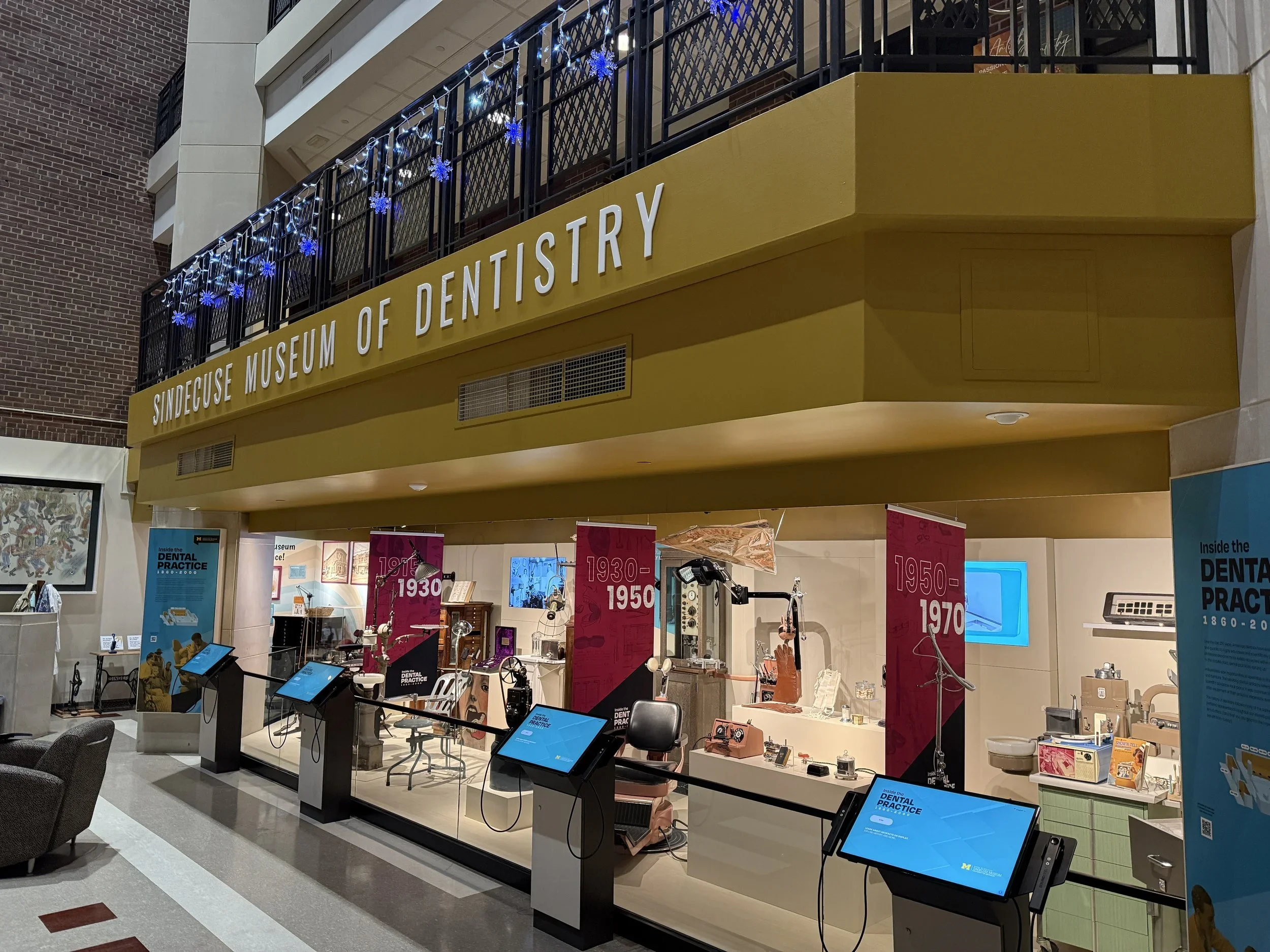
Sindecuse Museum of Dentistry
The Gordon H. Sindecuse Museum of Dentistry collects, preserves, and exhibits dental artifacts representing stages in the development of dental technology, beginning with the pre-electric period. Research interests are served by the collections and their historic documentation.
Hours
Monday–Friday: 8 a.m.–5 p.m.
Admission is free.

Art & Environment Gallery
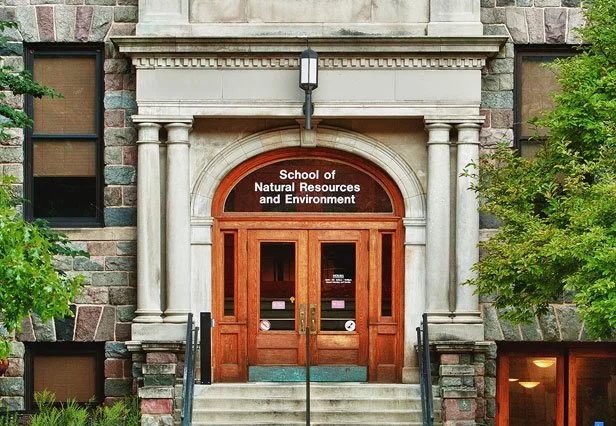
Sponsored by SEAS, showcasing work that bridges art and science with an environmental focus. Open to the public during building hours. Created and run by faculty artist-scientist Sandra Adlerstein.
Open during building hours, Monday–Friday.

GalleryDAAS
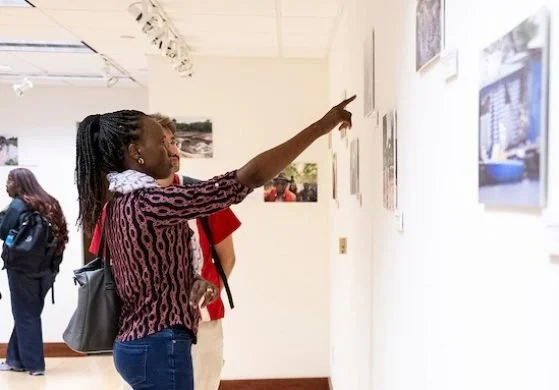
Operated by U-M's Department of Afroamerican and African Studies, it has a focused mission of supporting artists whose work connects to the African diaspora.
Approximately two main exhibitions per year. Drop-in visitors welcome.
Gallery Hours
Monday–Friday: 1–5 p.m.

Gifts of Art Galleries
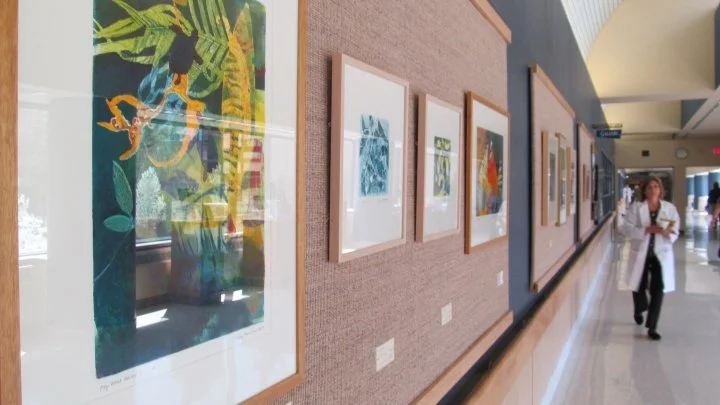
Established in 1986, it is one of the first and most comprehensive arts in medicine programs in the nation — with nine galleries viewed by approximately 10,000 people every single day, making them some of the most-visited indoor exhibition spaces in all of Michigan.
Exhibits rotate quarterly; accessible in-person to those with appointments or approved access, and online to all.

Hatcher Gallery
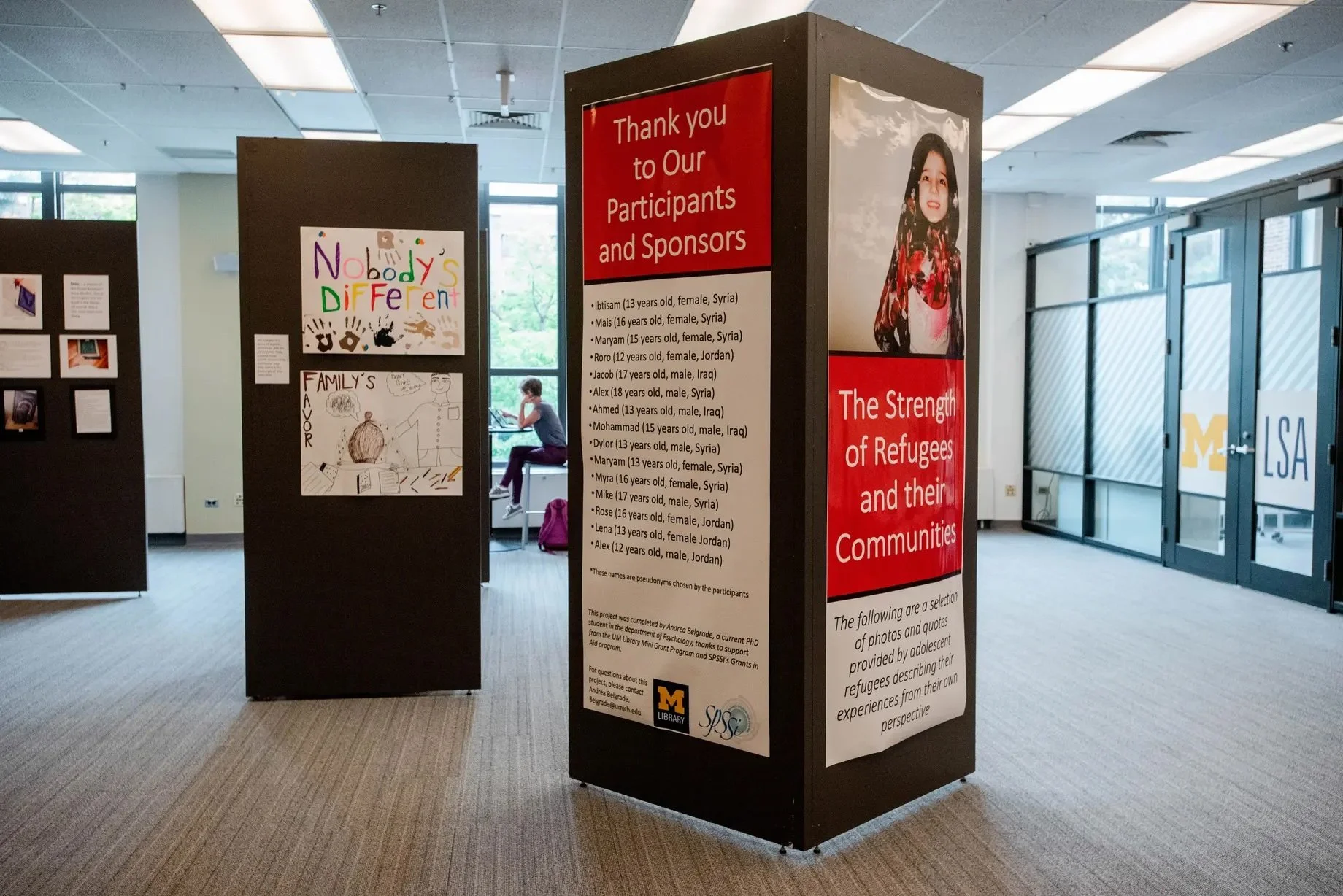
Located inside one of the finest research library buildings in the country, it offers an unexpected art-viewing experience that's free and open to all.
Open during library hours. Free and open to the public.

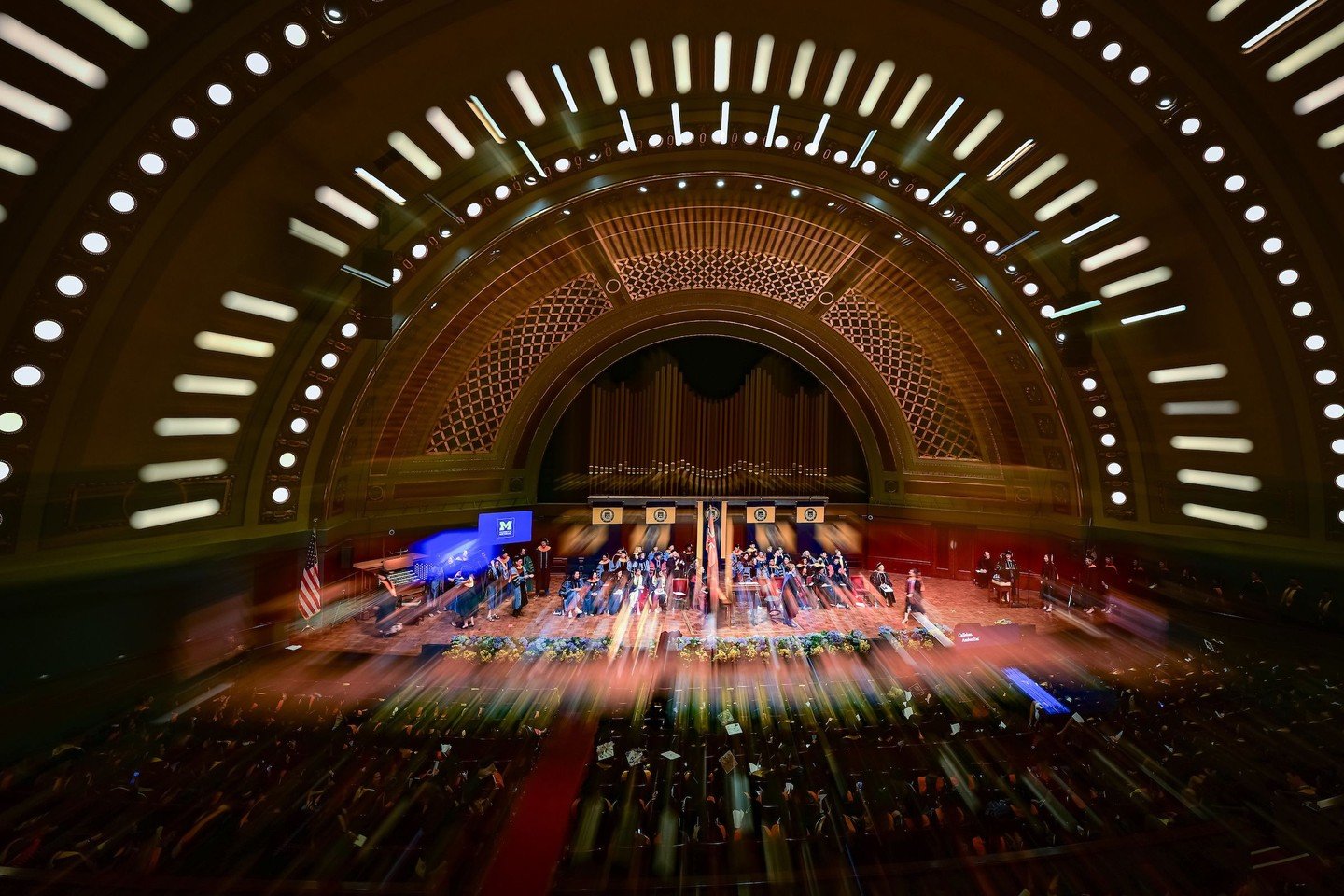
Hill Auditorium
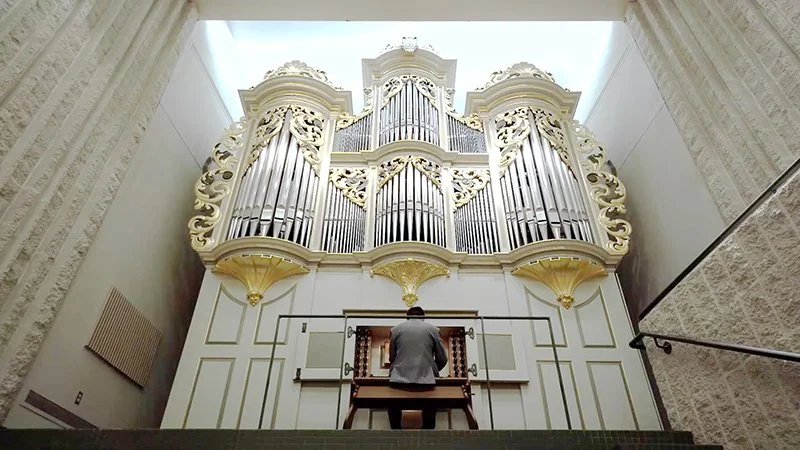
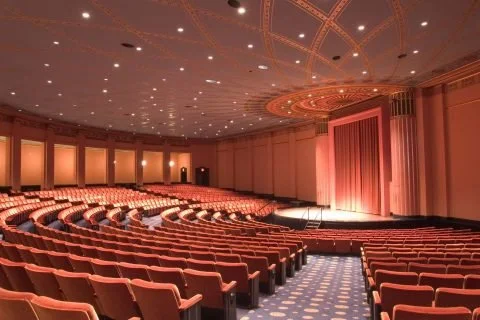
Largest performance space on campus; hosts concerts, lectures, and graduation ceremonies.
This world-renowned concert hall opened in 1913, designed by Albert Kahn with legendary acoustics.

Institute for the Humanities Gallery
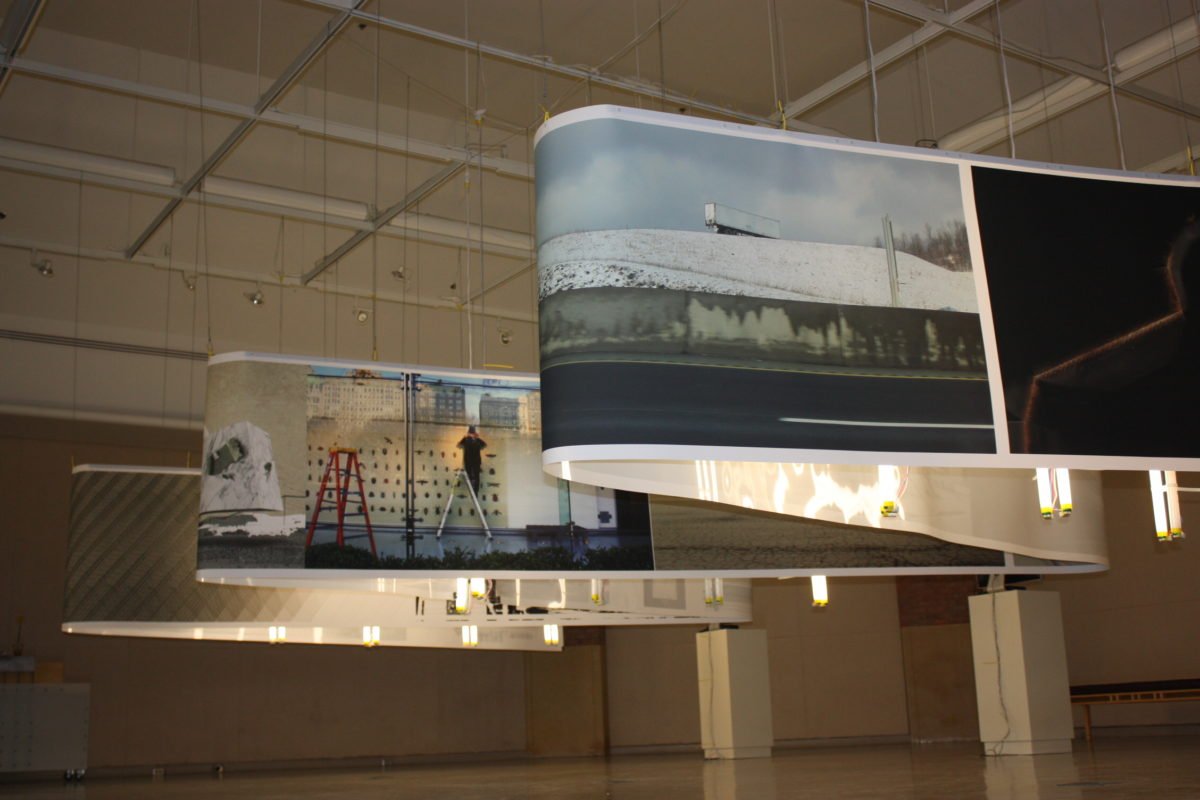
Features national, international, and regional artists in all media, with a focus on social justice and humanities engagement.
One of the only university galleries in the country with an artist commissioning fellowship program built in. Free and open to the public.
Gallery Hours
Monday–Friday: 9 a.m.–5 p.m.

Keene Theater
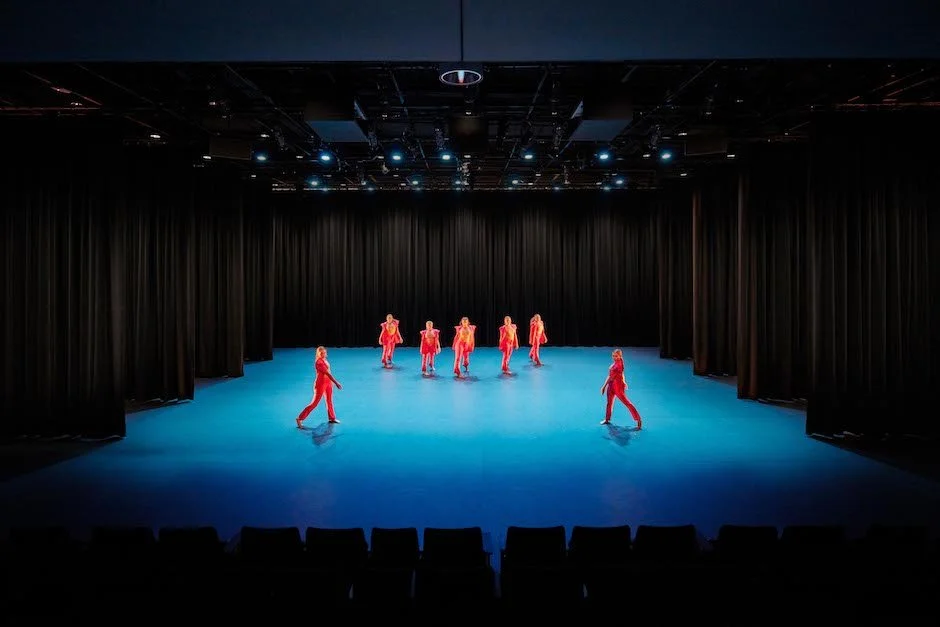
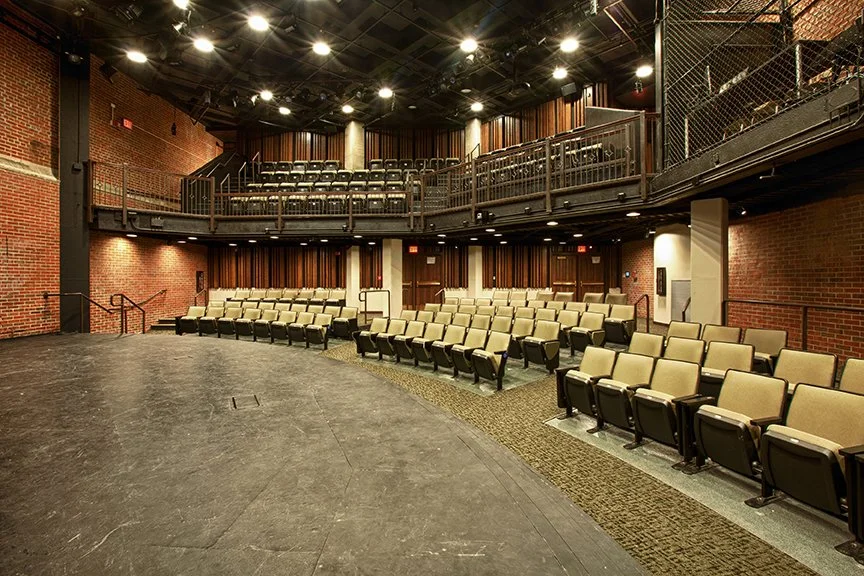
Tucked inside East Quad, this quarter-circle stage hosts RC Drama and Music Programs, student performances, and world-renowned performers via the Center for World Performance Studies.

Lane Hall Exhibit Space
Rotating exhibit space focused on themes of gender and sexuality, sponsored by Women's and Gender Studies and IRWG.
Typically one exhibition per semester. Free and open to the public.
Gallery Hours
Monday–Friday: 9 a.m.–4 p.m.

Lydia Mendelssohn Theatre
The theater was born out of U-M's women's rights history: it was built inside the Michigan League, the women's answer to the men-only Michigan Union.
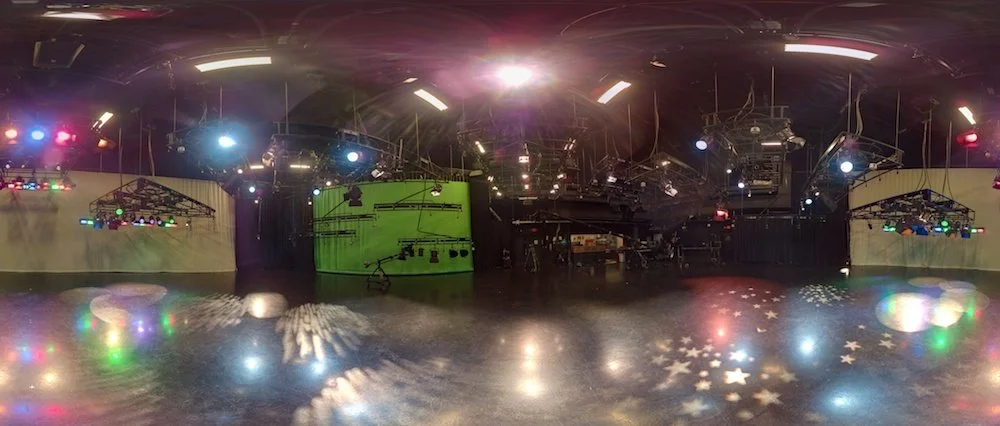
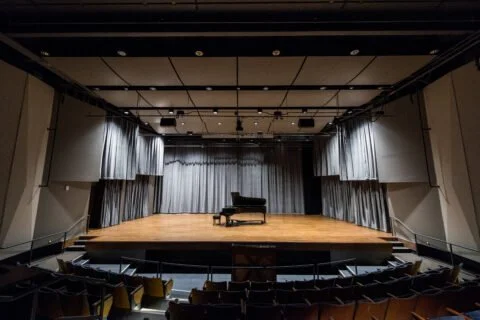
One of few U.S. theaters with a cyclorama—a curved rear wall that enhances acoustics and enables creative lighting.
History, Specifications & Rental Info
Video Tour
(photo: @talialevdesign)

Power Center for the Performing Arts
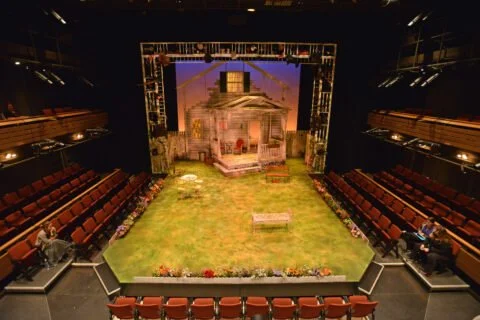
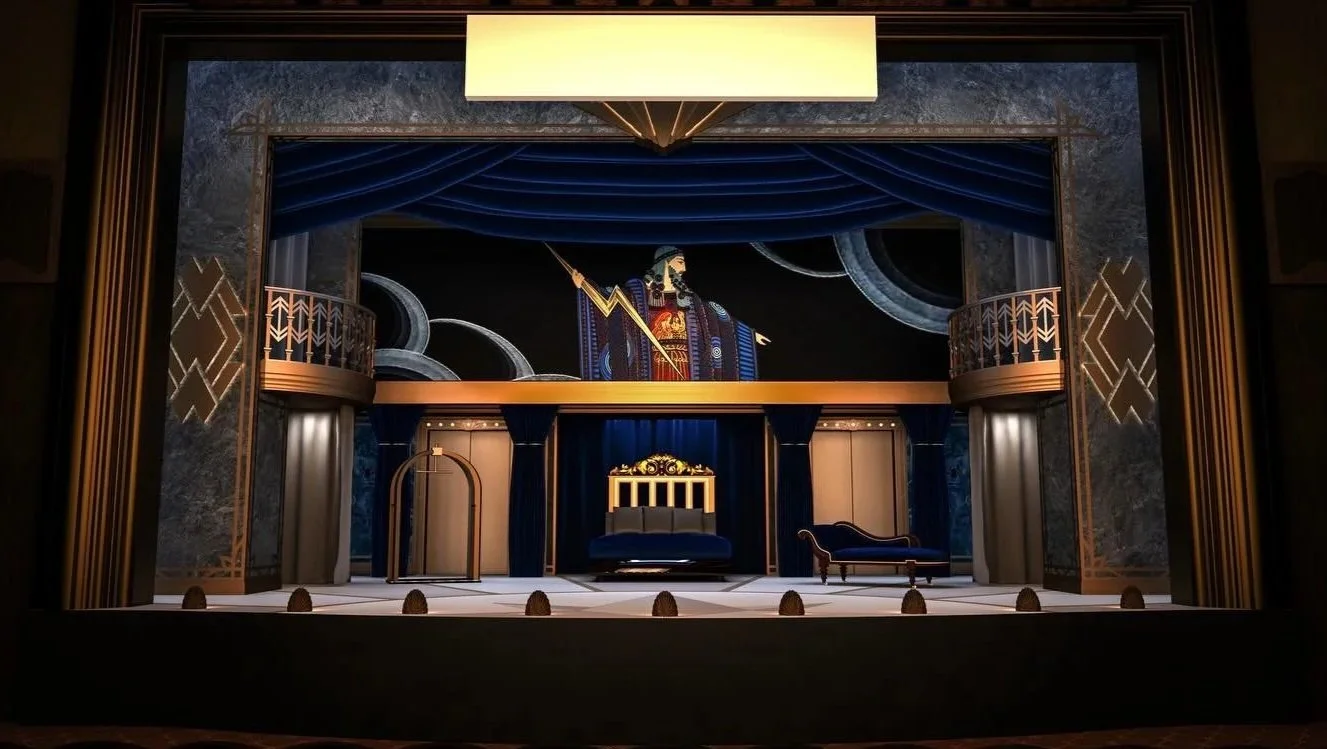
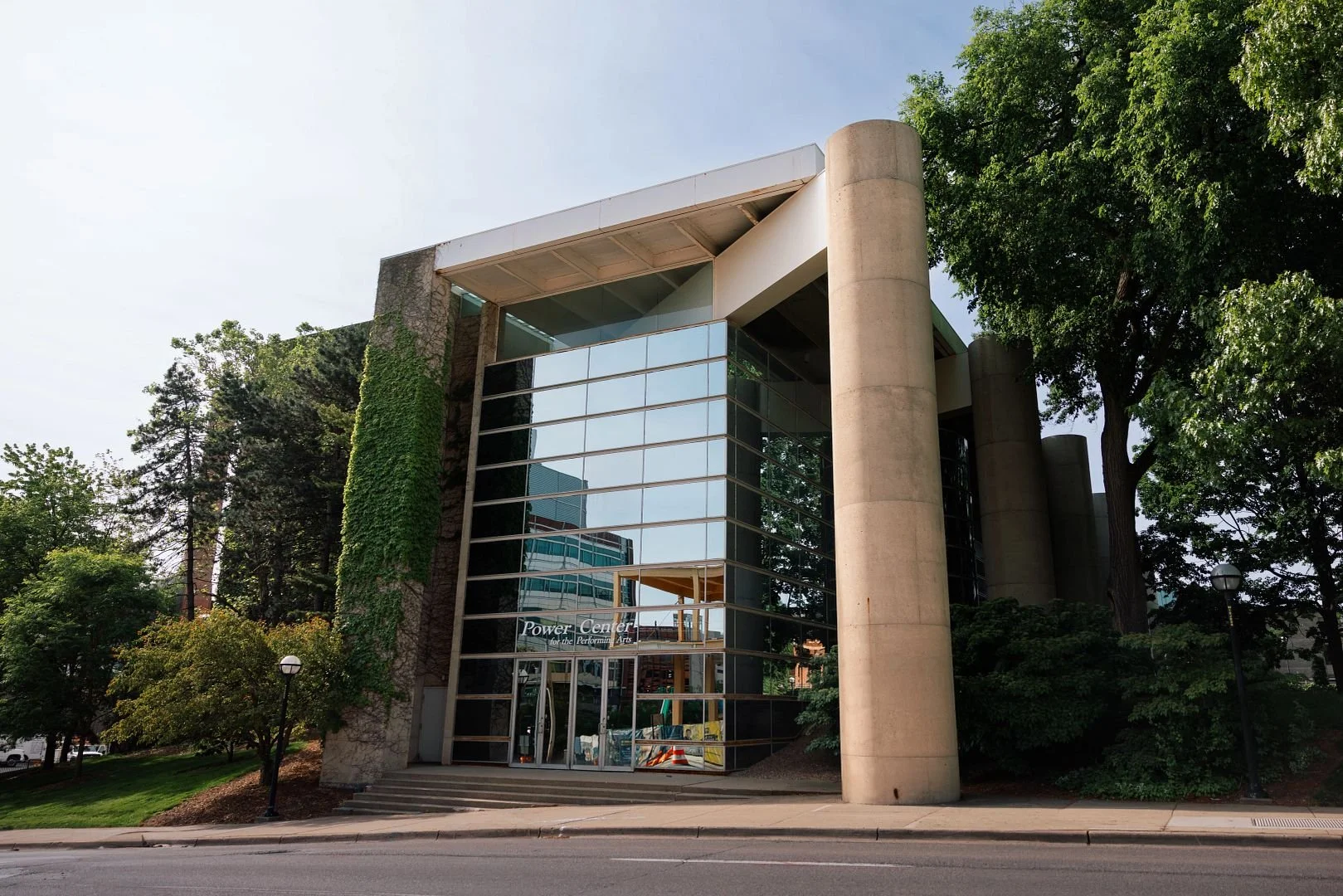
Opening in 1971 with the world premiére of The Grass Harp, the Power Center achieves the seemingly contradictory combination of providing a soaring interior space with a unique level of intimacy.
Designed by Roche & Dinkeloo with an interior from legendary Broadway scenic designer Jo Mielziner—making for one of the most distinguished design pedigrees of any campus theater in the country.

Rackham Auditorium
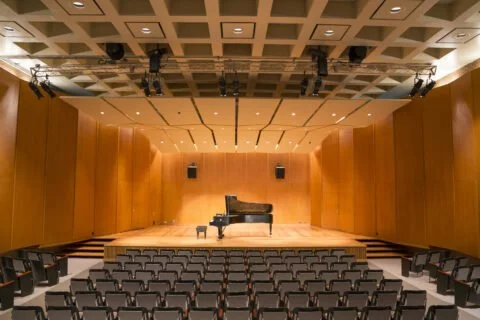
Located on the first floor of the Horace H. Rackham School of Graduate Studies on central campus, the auditorium hosts lectures, a cappella, and small ensembles.
Rackham Auditorium has served as the ongoing home for U-M's annual MLK Symposium events, connecting the university's civil rights legacy to the present day.

Residential College Art Gallery
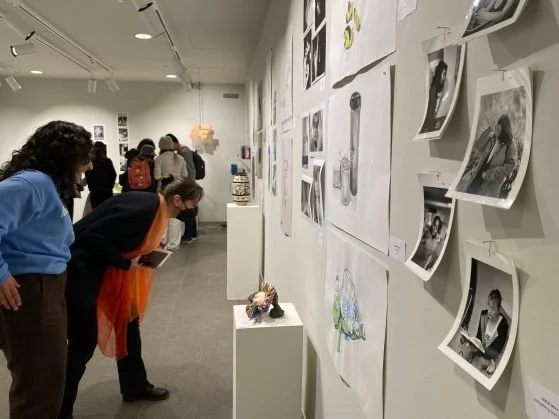
At roughly 500 sq. ft., it may be small, but it mounts both professional and student exhibits each semester and has introduced generations of RC students to original contemporary art.
The RC Gallery hosts two professional and one RC student exhibit per semester (fall & winter). Located in East Quadrangle, open to the public during gallery hours. Access via northwest corner of East Quad on East University Street.

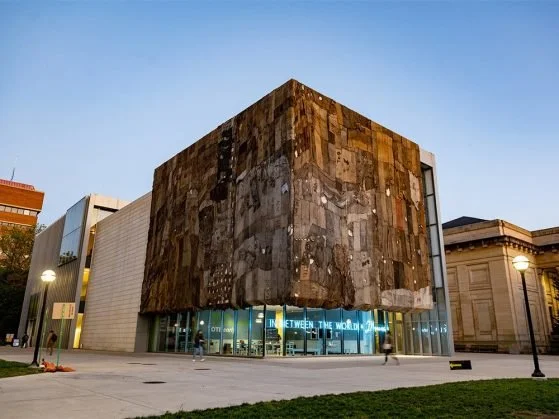
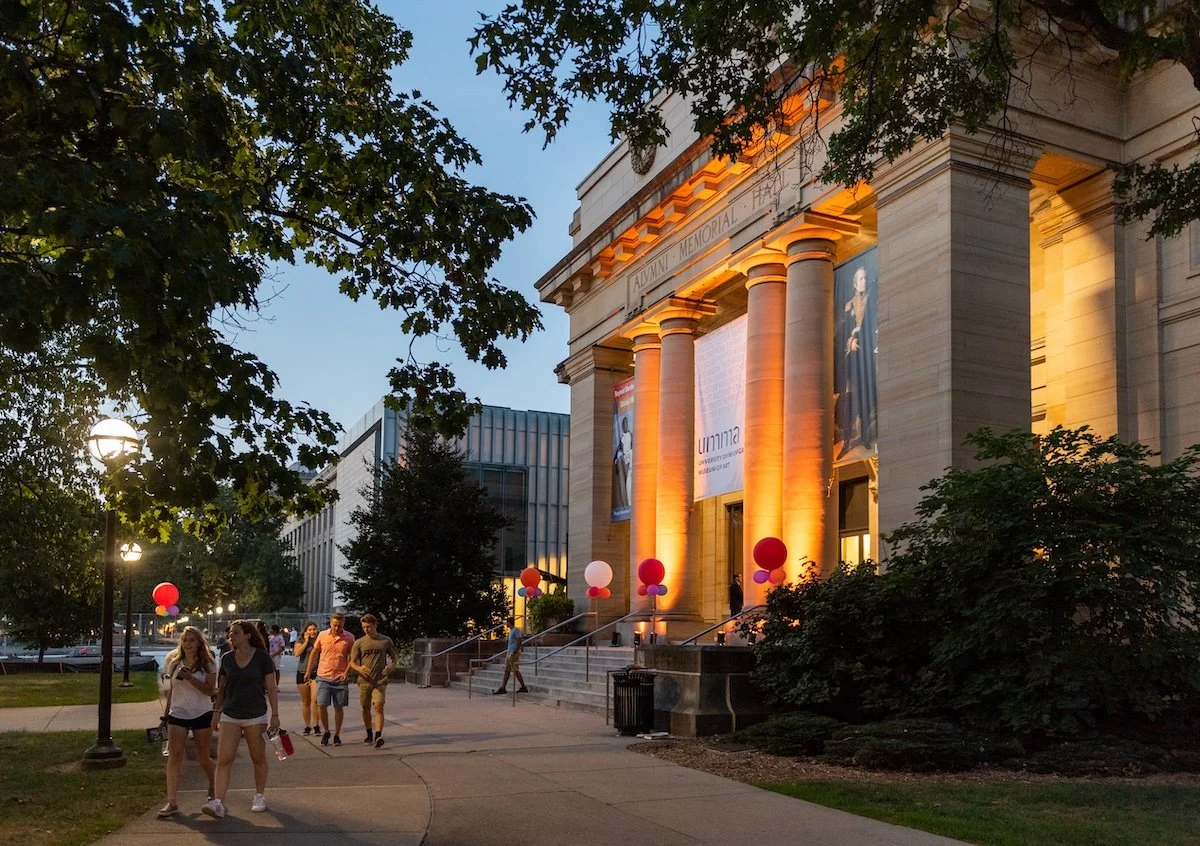
University of Michigan Museum of Art (UMMA)
One of the finest university art museums in the country, UMMA holds collections representing 150 years of art collecting. A schedule of special exhibitions and interpretative programs connects visitors with the rich artistic legacy of the past and today’s avant-garde.
Gallery Hours
Tuesday–Wednesday: 11 a.m.–5 p.m.
Thursday–Friday: 10 a.m.–8 p.m.
Saturday–Sunday: 11 a.m.–8 p.m.
Closed Mondays & major holidays